
Eccentric rotary (camflex-type) control valves are widely used in continuous process industries. Many plants selected international-brand valves of this design route years ago; after years of service, users commonly face three pressures: tight turnaround windows, long lead times for complete valves and spares, and high OEM spare prices. Under these conditions, a domestic equivalent replacement becomes a realistic option.
But “replacement” does not mean “copying dimensions”. For a confident swap, four levels must be checked — this article walks through each.
1. Check the design route first: same eccentric rotary principle
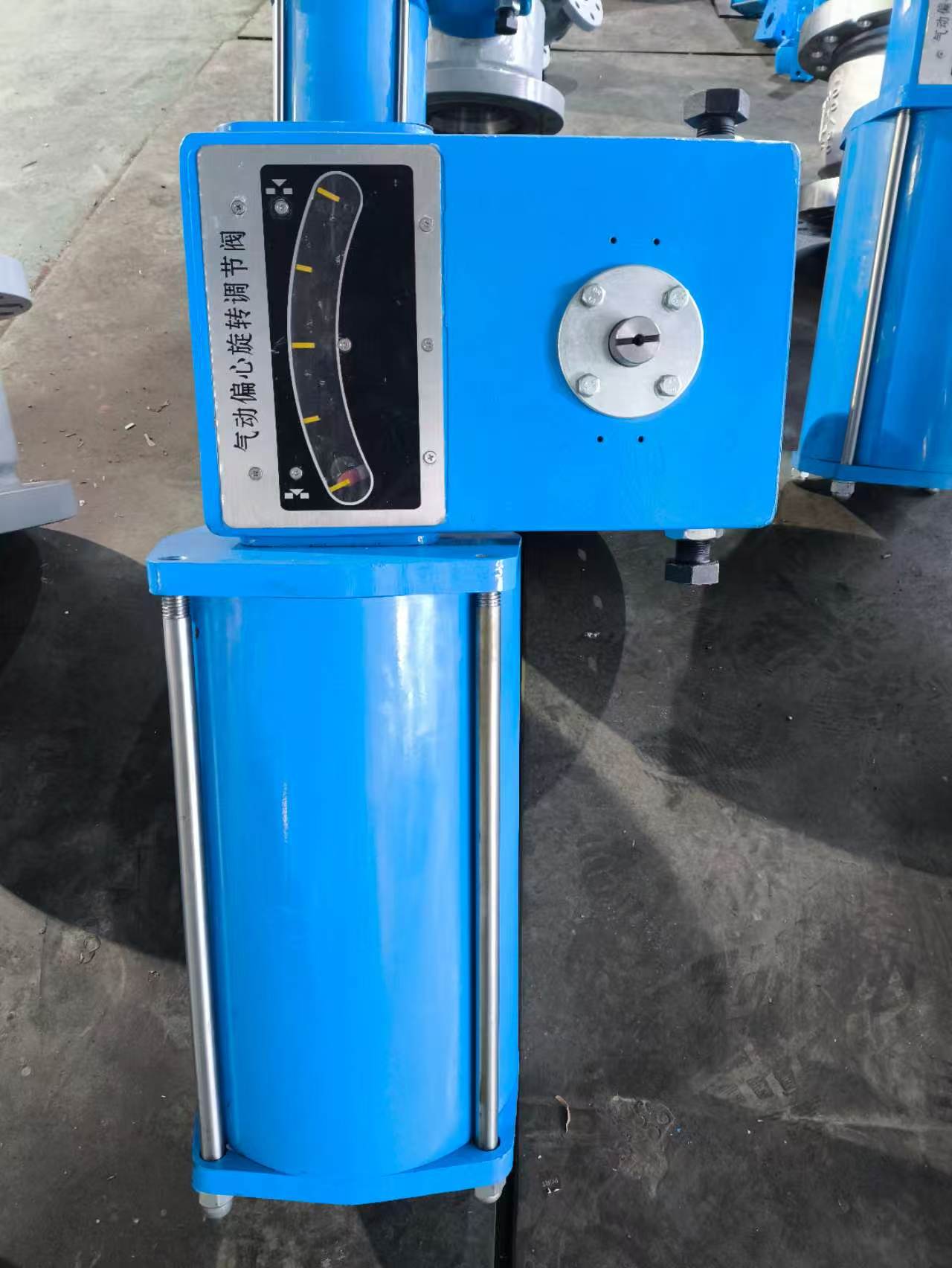
The core of an eccentric rotary control valve is the eccentrically mounted spherical-cam plug: on opening, the plug swings clear above the seat into the flow passage and the sealing surfaces barely touch through the stroke; only at the final instant of closing does the flex arm's elastic deformation press the plug onto the seat for tight seating. This “clear first, then compress” action is the root of the design's wear resistance and long life.
The first replacement check is confirming that the candidate domestic valve is of the same design route — rated rotation in the 50° class, eccentric cam plug, flex-arm seating — rather than a look-alike with a different principle. Only with the same route are flow characteristics, wear behavior and service experience comparable.
2. Check parameter coverage: size, pressure, temperature, capacity
Per the product catalog of the ZSPF/ZSNF series from Shanghai Dacheng Special Control Valve Co., Ltd., the eccentric rotary control valve covers DN25–DN400, nominal pressure 6.4 MPa (Class 600 level), rated Kv from 12 to 3130, medium temperature -40 to +250 °C (standard) and up to +450 °C (high-temperature type). Most in-service imported valves in continuous processes fall within this envelope.
Pay special attention to the intermediate sizes. Conventional camflex series often skip DN32, DN65 and DN125, while many services land exactly on these three sizes. When sizing a replacement, confirm that the candidate series supplies these three as standard sizes — otherwise one is forced to step up or down a size, directly hurting control quality.
For flange interfaces the series is supplied to JB/T79-94 / ANSI B16.5. If the in-service valve has ANSI flanges the interface usually maps directly; other flange systems should be specified at order so they can be matched.
3. Check materials and sealing: medium compatibility decides
Material checks run on two levels. Body: the series offers WCB, CF8M and ZG1Cr18Ni9Ti as standard, with other alloys available on request; select per the actual corrosiveness of the service — no blind upgrades, no downgrades either.
Trim: the eccentric cam plug and seat can be hard-faced with Stellite alloy for erosive or coking services; metal-seated leakage is on the order of 1×10⁻⁴ of rated capacity, and soft-seated versions reach Class VI per GB/T 4213-2008. For loops with tight shutoff duties, state the leakage class explicitly at ordering instead of relying on default supply.
Actuator and action must also be confirmed item by item: air-to-open/air-to-close, fail position (fail open/closed/last), positioner and split-range requirements — all of these affect safety and accuracy and must be confirmed by an engineer per process safety requirements.
4. Delivery and inspection: unit-by-unit test records with every valve
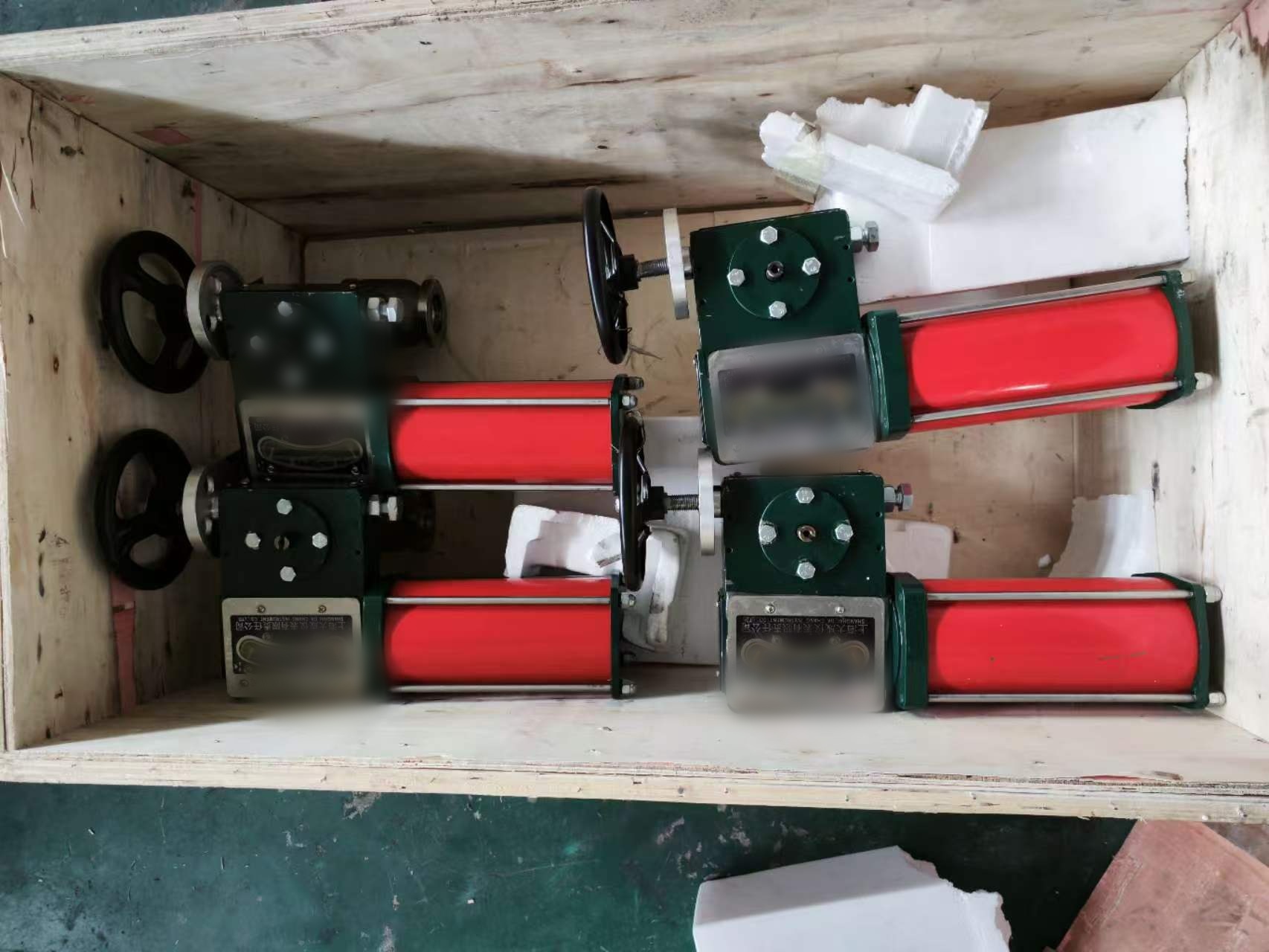
Replacement projects usually hinge on the turnaround window, so traceability of delivery and inspection matters. Taking Dacheng's practice as an example: every valve is manufactured and inspected per the company's technical documents and inspection procedures, with stroke and sealing tests performed unit by unit and inspection records shipped with the valve for verification on arrival.
5. Summary: the four-step replacement checklist
Condensed into a checklist: ① same design route (eccentric rotation, flex-arm seating); ② parameter coverage on size, pressure, temperature and Kv, with the DN32/DN65/DN125 intermediate sizes explicitly confirmed; ③ materials and leakage class confirmed per actual medium and shutoff duty; ④ delivery side confirmed with unit-by-unit testing and records.
When all four check out, a domestic equivalent stands on solid ground; if any fails, a dedicated engineering review is recommended rather than ordering by model number alone.
If you are evaluating replacement of in-service imported eccentric rotary valves, send us the size, pressure class, medium and temperature, and current symptoms — our engineers will give a valve-by-valve replacement recommendation.
(This article is technical exchange; final replacement plans shall be based on formal service-condition verification, and technical parameters shall follow the latest product catalog.)